The Role of Physiotherapy in Sports Performance and Recovery
Physiotherapy is widely known for treating sports injuries, but its role goes far beyond rehabilitation. Many athletes use physiotherapy to enhance performance, improve movement efficiency, and prevent injuries. From professional sports teams to recreational runners, physiotherapy is an important part of athletic development.
One key benefit is injury prevention through movement assessment. Athletes often develop imbalances due to repetitive training or poor technique. Physiotherapists can identify weaknesses, limited mobility, or poor biomechanics that increase injury risk. Correcting these issues early can protect athletes from long-term problems.
Physiotherapy also improves flexibility, strength, and stability. By designing sport-specific exercise programs, physiotherapists help athletes strengthen muscles that support joints and reduce unnecessary stress. This leads to better control, improved balance, and stronger performance during competition.
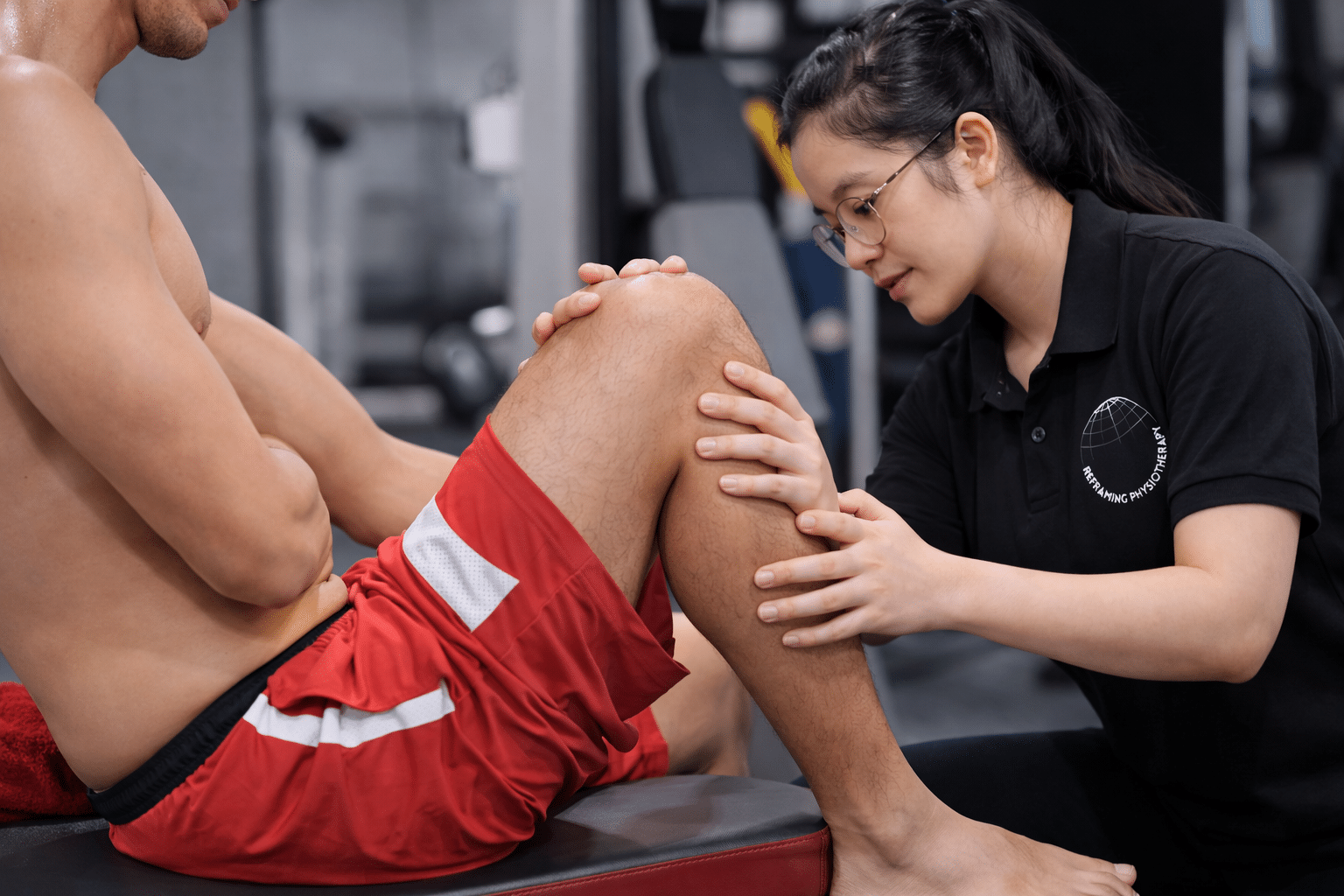
When injuries happen, physiotherapy provides structured recovery. Instead of simply resting, athletes need active rehabilitation to restore function safely. Physiotherapists guide recovery using manual therapy, mobility training, progressive strengthening, and gradual return-to-sport strategies. This reduces the chance of reinjury and helps athletes return stronger.
In the long term, physiotherapy supports sustainable athletic performance. Athletes who integrate physiotherapy into their routine often recover faster, train more efficiently, and stay healthier throughout their careers. It is not only a treatment option, but also a performance strategy that helps athletes reach their full potential.